What Is Liability Insurance for Your Car?
Liability insurance pays for injuries and property damage you cause to others in an at-fault accident.
Free to compare
What Is Liability Insurance Insurance?
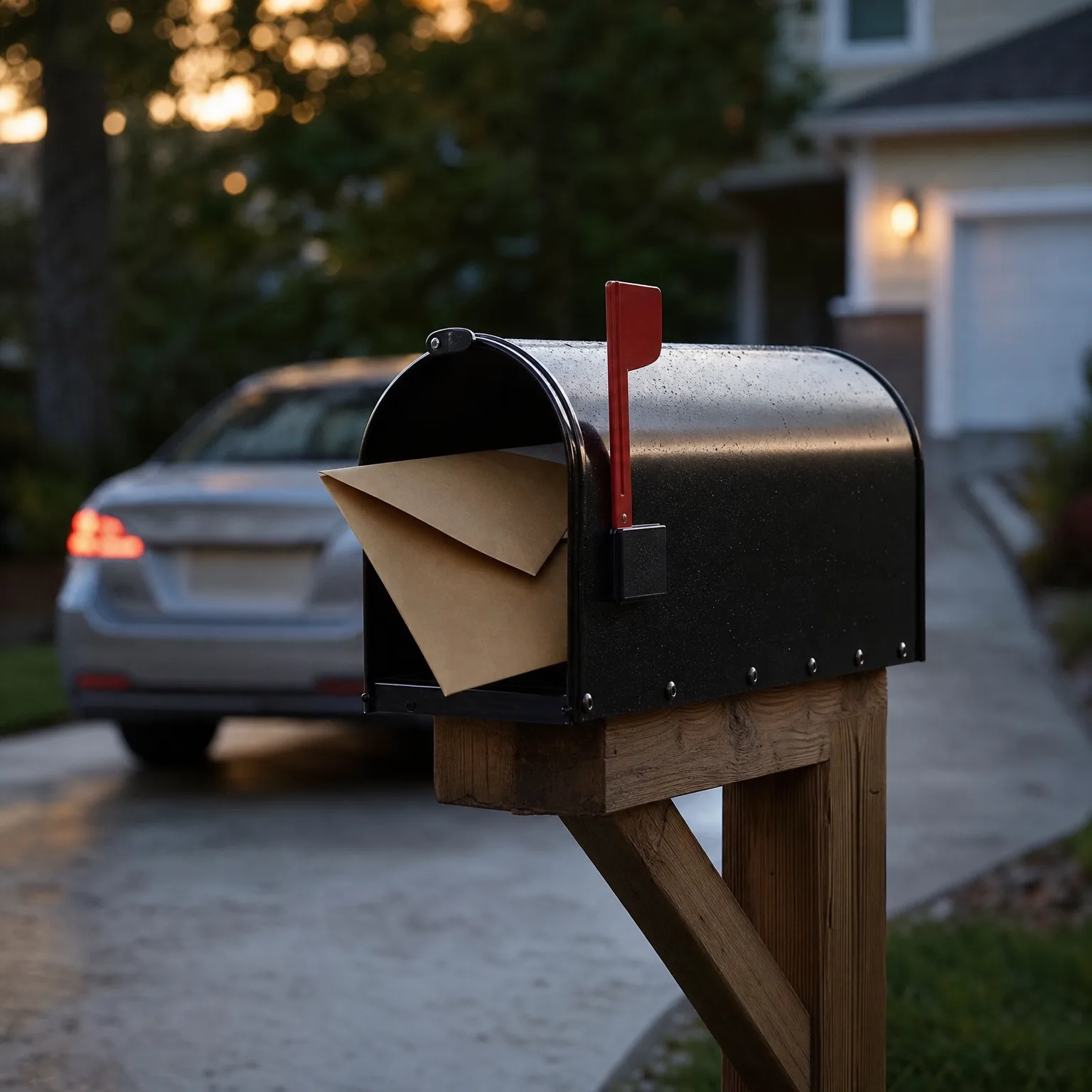
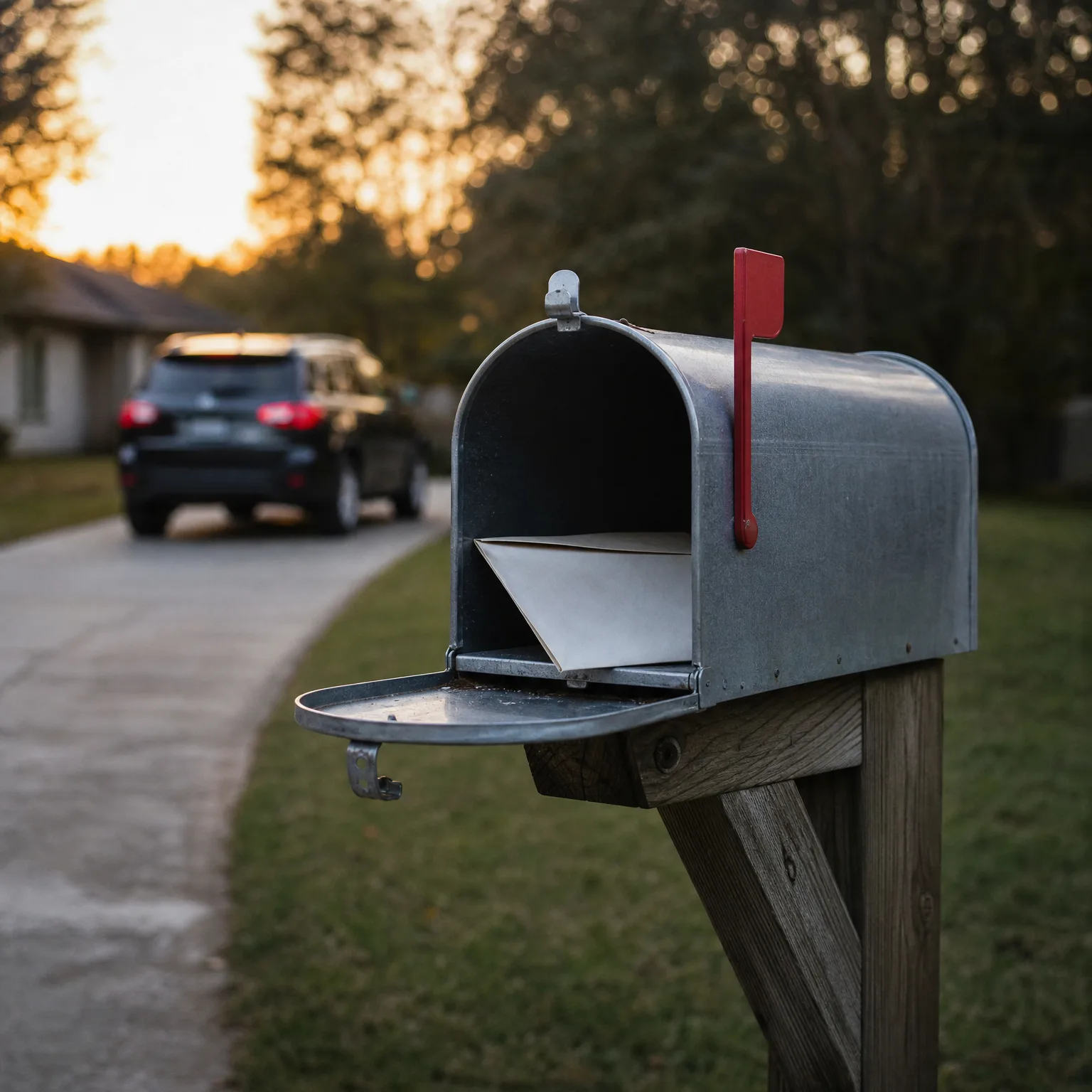
Liability insurance consists of two components: bodily injury liability and property damage liability. Bodily injury liability pays for the other party's medical bills, lost wages, pain and suffering, and legal fees if you're sued after an at-fault accident. Property damage liability covers repairs or replacement of the other driver's vehicle, plus any other property you damage—fences, mailboxes, storefronts, or guardrails. Your insurer will defend you in court and pay settlements or judgments up to your policy limits.

Who Needs Liability Insurance Insurance?
Every driver who owns or regularly operates a vehicle needs liability insurance—it's legally required in 48 states and financially essential in all 50. If you have any assets to protect (a home, savings, retirement accounts), you should carry limits well above your state minimum, typically 100/300/100 or higher. Drivers with higher net worth face greater risk of being sued for amounts exceeding policy limits, making umbrella policies layered on top of high liability limits a common strategy.
Ask yourself: What's the maximum amount I could be sued for in a serious accident, and do my liability limits cover that exposure? If you have significant assets, carry at least 100/300/100 or higher—low limits save you a few hundred dollars per year but can cost you hundreds of thousands in an at-fault accident. If you're financing or leasing a vehicle, your lender will require comprehensive and collision coverage anyway, so the incremental cost of higher liability limits is typically small and worth the protection.
How Much Does Liability Insurance Insurance Cost?
- Your state's minimum requirements set the baseline cost—states with higher mandated limits have higher average premiums.
- Urban drivers pay more than rural drivers due to higher accident frequency and costlier claims in densely populated areas.
- Credit-based insurance scores influence rates in most states, with lower scores correlating to higher liability premiums.
- Annual mileage affects risk exposure—drivers logging over 15,000 miles per year typically face higher liability costs than those driving under 7,500 miles.
Frequently Asked Questions
Does liability insurance cover my medical bills after an at-fault accident?
No, liability insurance only covers the other party's medical expenses, not your own. Your medical bills after an at-fault accident are covered by your health insurance, personal injury protection (PIP), or medical payments (MedPay) coverage if you've added it to your auto policy. This is one of the most common misunderstandings about liability coverage.
Will my liability insurance cover me if I drive for Uber or deliver food?
Standard personal liability insurance explicitly excludes commercial use, including rideshare and delivery services. Uber, Lyft, and delivery apps provide some liability coverage while you're actively engaged in a trip, but you need rideshare or commercial coverage to fill gaps during waiting periods. Failing to disclose commercial use can result in claim denials and policy cancellation.
Related Coverage Types