What Is Comprehensive Coverage?
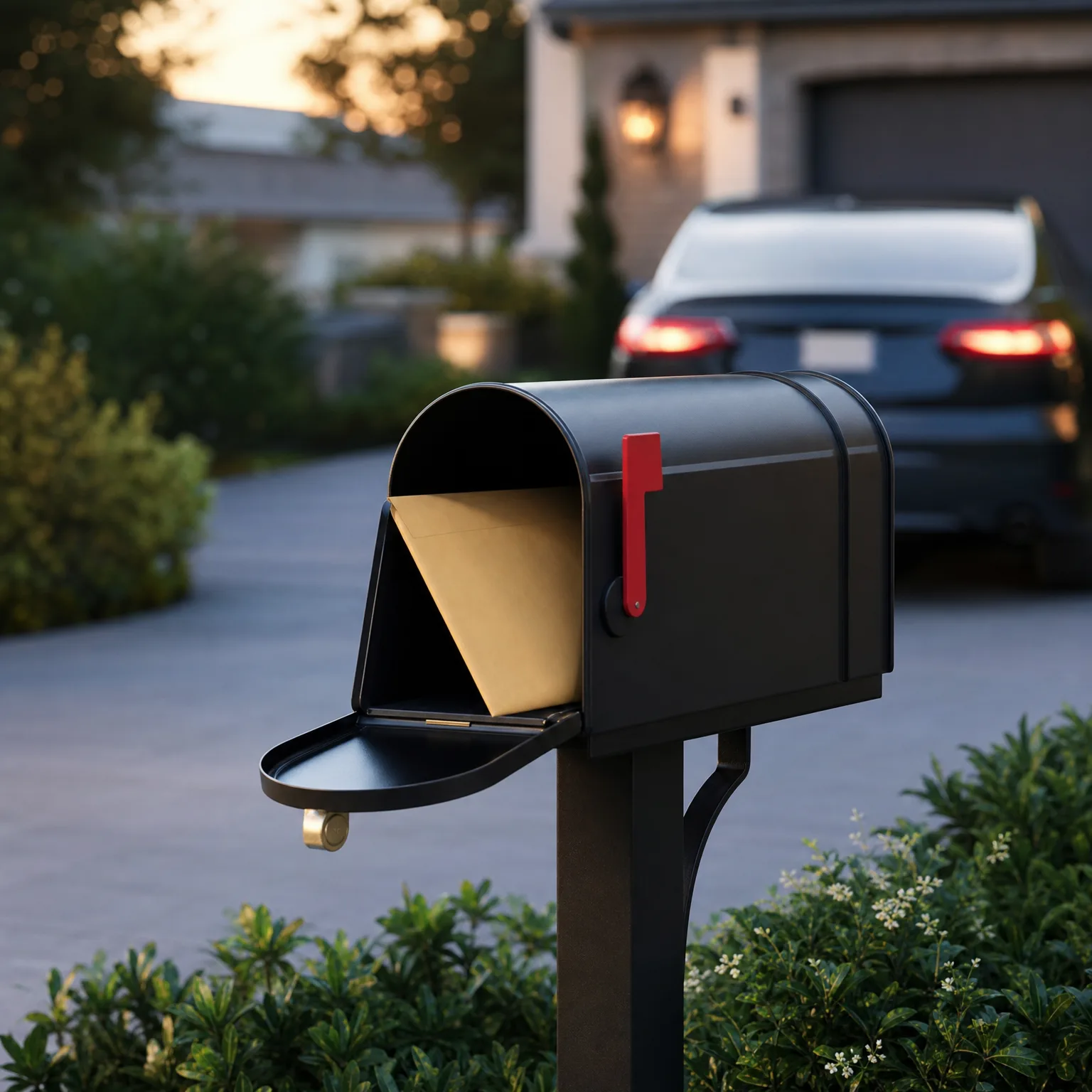
Comprehensive coverage pays for damage to your vehicle caused by events other than collisions — including theft, vandalism, fire, hail, floods, and animal strikes.
Free to compare
What Is Comprehensive Coverage Insurance?
Comprehensive coverage pays to repair or replace your vehicle when it's damaged by non-collision events. This includes theft, vandalism, fire, falling objects, civil disturbances, natural disasters like floods and hail, and collisions with animals. When your car is damaged or stolen, you file a claim, pay your chosen deductible, and your insurer covers the remaining cost up to your vehicle's actual cash value. Unlike liability coverage, which pays for damage you cause to others, comprehensive protects your own asset from a wide range of perils beyond your control.
Who Needs Comprehensive Coverage Insurance?
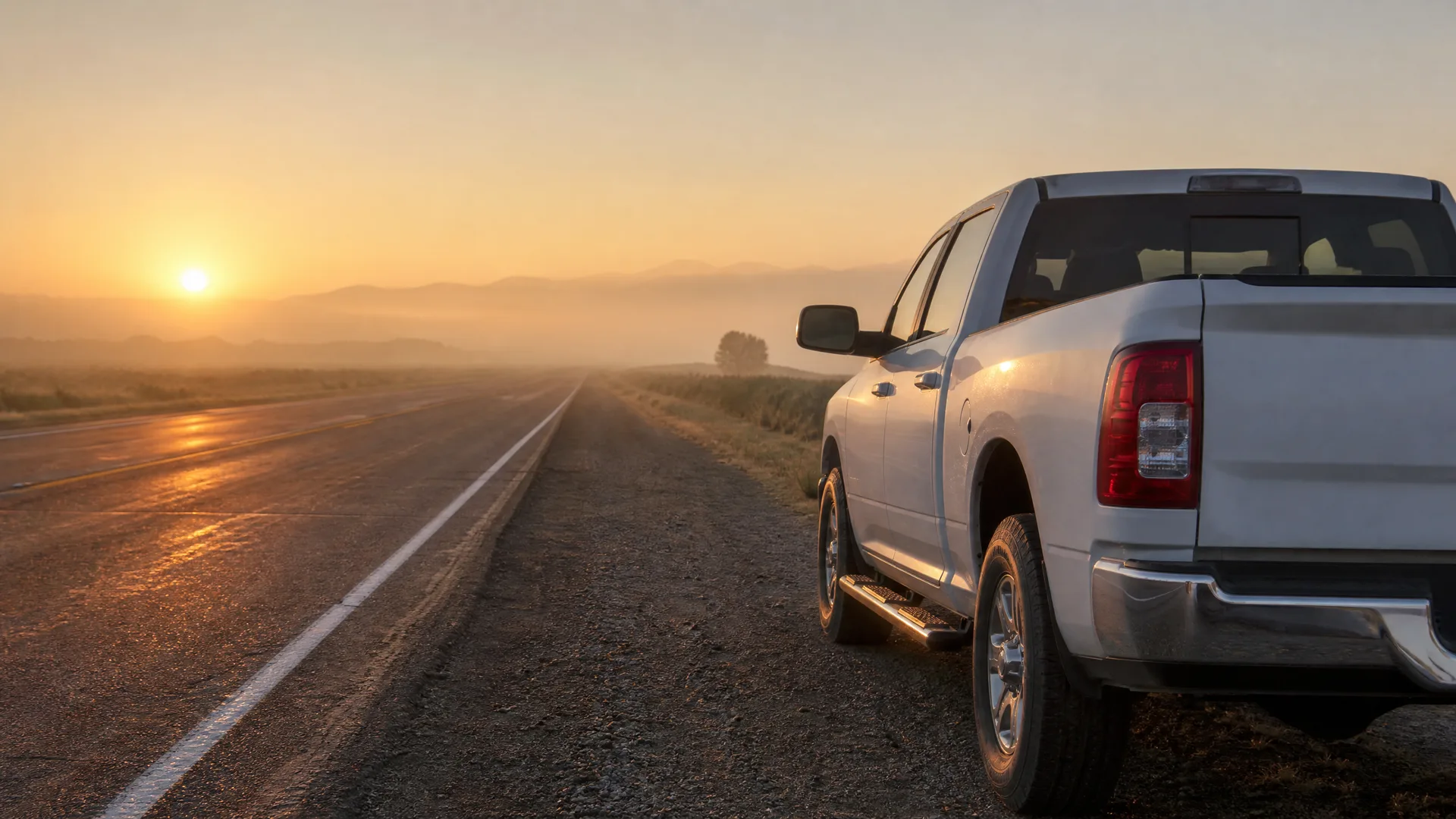
Comprehensive coverage is strongly recommended if you finance or lease your vehicle — lenders require it to protect their collateral. It's also essential for anyone who cannot afford to replace their vehicle out of pocket, drives in areas with high deer populations, parks in areas with theft or vandalism risk, or lives in regions prone to hail, floods, or wildfires.
Use this rule: multiply your annual comprehensive premium by 10, then compare that to your vehicle's current market value. If the premium times 10 is less than half your car's value, comprehensive is typically worth keeping.
How Much Does Comprehensive Coverage Insurance Cost?
- Your vehicle's actual cash value — higher-value cars cost more to insure because the maximum payout is higher.
- Your ZIP code and garaging location — areas with higher rates of theft, vandalism, hail, or animal strikes see higher premiums.
- Your vehicle's theft rating — cars frequently targeted by thieves (like certain Honda and Hyundai models) cost more to cover.
Frequently Asked Questions
Is comprehensive coverage required by law?
No state requires comprehensive coverage by law. However, if you finance or lease your vehicle, your lender or leasing company will require you to carry comprehensive (and collision) coverage until the loan is paid off or the lease ends. Once you own your vehicle outright, comprehensive becomes optional.
Does comprehensive cover hitting a deer?
Yes, comprehensive coverage covers collisions with animals including deer, elk, moose, dogs, and livestock. Animal strikes are the most common type of comprehensive claim, accounting for approximately 1.9 million claims annually in the United States. Collision coverage does not cover animal strikes — only comprehensive does.
Does comprehensive cover flood damage?
Yes, comprehensive coverage covers flood damage to your vehicle, including damage from rising water, flash floods, and hurricane storm surge. This is critical protection in flood-prone areas, as standard liability and collision coverage exclude flood damage. However, if you drive into standing water and hydro-lock your engine, insurers may classify that as a collision or at-fault claim rather than comprehensive.
Does comprehensive cover theft of items from my car?
No, comprehensive coverage only pays for theft of the vehicle itself or damage caused during a break-in (like a broken window or damaged ignition). Items stolen from inside your car — such as laptops, phones, tools, or personal belongings — are covered under your homeowners or renters insurance, not your auto policy. You would file that claim with your home insurance carrier.
Can I have comprehensive without collision coverage?
Yes, you can carry comprehensive coverage without collision coverage if you own your vehicle outright. This makes sense for older vehicles where the value doesn't justify expensive collision coverage, but you still want protection from theft, vandalism, and weather damage. However, if you have a loan or lease, your lender will require both coverages.
Related Coverage Types