
How Your ZIP Code Affects Your Car Insurance Rate
Free to compare
Why Insurers Rate Your ZIP Code Differently Than Your Neighbor's
Your ZIP code isn't just a mailing address to insurers — it's a bundle of predictive risk signals they mine for claims probability. Two drivers with identical records can see premiums differ by $60–$180/mo based solely on ZIP code, even if they live five miles apart.
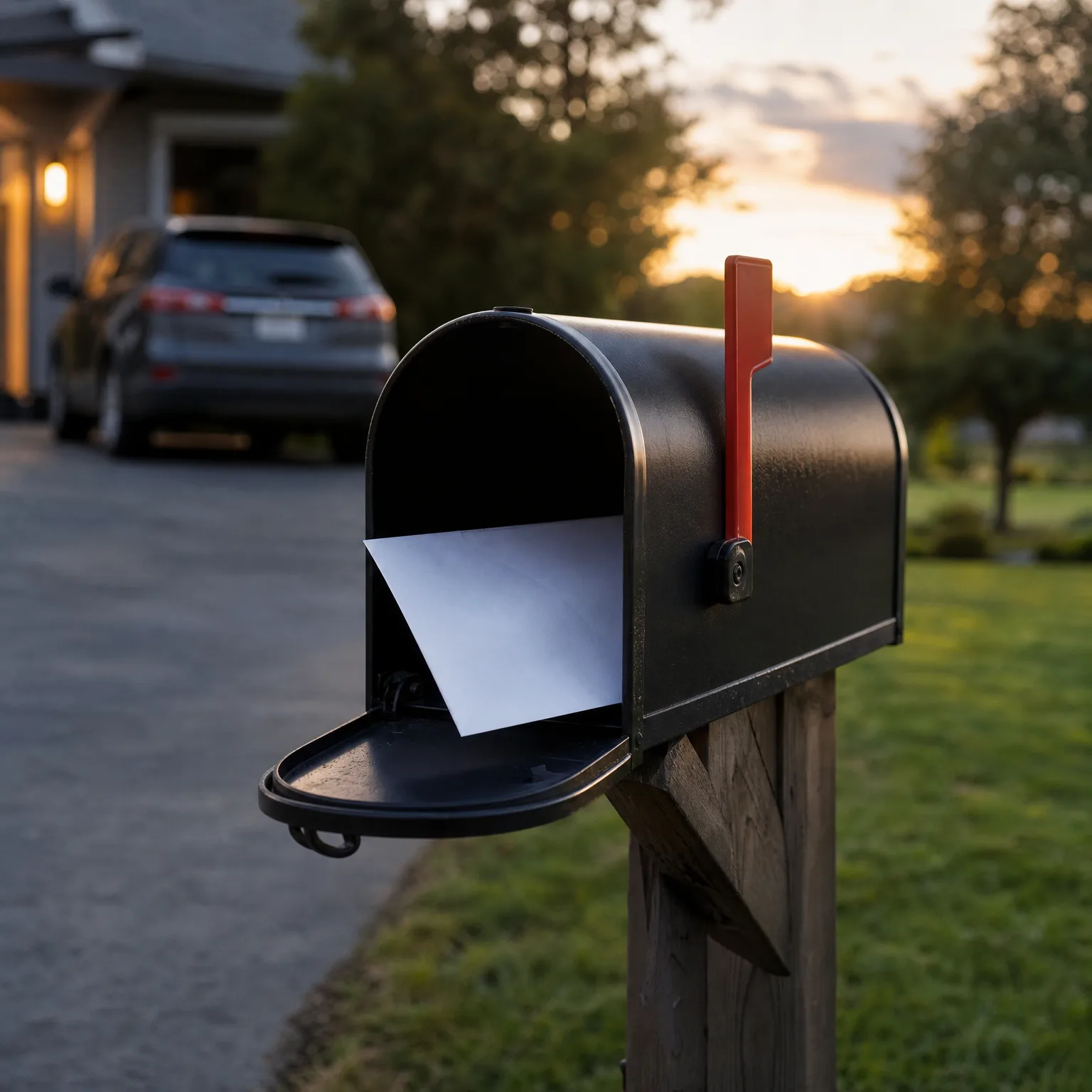
Insurers layer at least eight data points onto every ZIP code: accident frequency, theft rates, vandalism claims, uninsured driver density, repair shop labor costs, litigation rates, weather event history, and population density. A single ZIP code in Detroit, for example, might show 4x the theft claims of a suburb 10 miles away, while a coastal Florida ZIP could carry hurricane exposure that inland areas don't.
This isn't redlining — it's actuarial modeling based on claims history within each geographic area. The key difference: insurers must justify rates with data filed to state regulators, and those models are recalculated annually. Your ZIP's rating can improve or worsen year over year based on updated loss experience. collision coverage
The Eight Risk Factors Insurers Extract From Your Address
Collision frequency comes first. Insurers calculate how many at-fault accidents occur per 1,000 insured vehicles in your ZIP annually. Urban centers with congested intersections often see rates 2–3x higher than rural areas with lower traffic density. A ZIP code in Los Angeles with heavy commuter corridors might show 35 collisions per 1,000 vehicles compared to 12 in a suburban area.
Theft and vandalism claims follow. The National Insurance Crime Bureau publishes annual hot spot data, and insurers overlay this with their own claims history. A ZIP code in the top decile for auto theft can add $25–$70/mo to comprehensive premiums compared to a low-theft area in the same metro region.
Repair costs vary sharply by location. Labor rates at body shops in San Francisco or New York can run $120–$150/hour versus $70–$90/hour in rural Missouri or Arkansas. Since collision and comprehensive coverage pay actual repair costs, your ZIP's typical shop rates directly influence premiums. Insurers also track parts availability — if your area requires longer repair times or specialized shops, that adds cost.
Uninsured and underinsured driver density matters because it drives uninsured motorist claims. States like Florida, Mississippi, and New Mexico have uninsured rates above 20%, and within those states, certain ZIP codes can exceed 30%. High uninsured density increases both your collision risk (more hit-and-runs) and the likelihood your insurer pays out under your own UM coverage.


How Population Density and Litigation Rates Compound Costs
Population density correlates directly with collision frequency but inversely with severity. Dense urban ZIPs see more frequent low-speed accidents — parking lot scrapes, mirror clips, rear-end taps — which stack up claims volume. Rural areas see fewer accidents but higher speeds, which means greater injury severity when crashes occur. Insurers price both patterns differently: urban ZIPs may carry higher collision premiums, while rural areas with highway exposure can see elevated bodily injury costs.
Litigation rates vary dramatically by region and ZIP code. Certain Florida, Louisiana, and California ZIPs fall into what insurers call "judicial hellholes" — areas where injury claims are more likely to proceed to lawsuit and where jury awards run higher than state averages. A soft-tissue injury claim that settles for $8,000 in one ZIP might generate a $40,000 verdict in another. Insurers track this by ZIP and adjust bodily injury liability premiums accordingly.
Weather patterns layer on top. Coastal ZIPs exposed to hurricanes, gulf states prone to hail, and midwestern tornado corridors all carry higher comprehensive risk. A ZIP code in Oklahoma City, for instance, might see hail claims 6–8x more frequently than one in Oregon. This doesn't just affect comprehensive premiums — it also influences whether carriers will write new policies in certain areas during peak storm seasons. uninsured motorist coverage

Check Your Rate Against the Market
Compare Auto Rates for FreeWhat You Can Control When Your ZIP Code Works Against You
Your ZIP code is fixed, but the rating factors that surround it are not. Start with theft deterrents. Installing an anti-theft device — steering wheel lock, kill switch, or GPS tracker — can qualify you for a 5–15% comprehensive discount in high-theft ZIPs. Some carriers offer larger discounts if you park in a secured garage rather than on-street, which directly counters the ZIP-level theft risk.
Garaging address adjustments matter if you split time between locations. If you have a second home, office parking space, or college student living situation, ask your insurer which address yields the better rate. You must garage the vehicle where you claim, but if you legitimately store your car in a lower-risk ZIP (like a suburban office parking garage versus a downtown residential street), that's a valid rating change.
Bundling and loyalty discounts become more valuable in expensive ZIPs because they apply as percentage reductions to a higher base premium. A 15% multi-policy discount saves $15/mo on a $100 premium but $45/mo on a $300 premium. Carriers also offer claim-free and tenure discounts that compound over time — these matter more when your ZIP code already inflates your baseline cost.
Coverage adjustments can offset location-based costs. If you live in a high-theft ZIP but drive an older vehicle with low actual cash value, dropping comprehensive coverage eliminates the theft premium entirely. If your ZIP carries high uninsured motorist density, increasing your UM coverage from state minimum to $100,000/$300,000 may cost only $8–$15/mo but provides meaningful protection against a gap your ZIP code makes statistically likely.

How Often ZIP Code Ratings Change and What Triggers Them
Insurers refile ZIP code rating factors annually in most states, but significant events can trigger mid-year adjustments. A spike in catalytic converter thefts, a major weather event, or a change in local uninsured rates can prompt carriers to request emergency rate revisions from state regulators. California, for example, saw multiple carriers adjust ZIP ratings in 2023 following wildfire exposure changes.
Your individual rate may also shift if you move even a few blocks. ZIP code boundaries don't always align with neighborhood risk profiles — a move from one side of a street to another can cross into a different rating territory. When you update your garaging address, ask your carrier to re-quote before binding the change. In some cases, the new ZIP will reduce your premium; in others, it may increase it.
Shopping rates across carriers reveals which insurers weight your ZIP differently. One carrier might assign heavy weight to theft risk, making them expensive in urban cores but competitive in suburbs. Another might prioritize collision frequency, penalizing commuter-heavy ZIPs but offering better rates in low-traffic areas. Comparing quotes from 3–5 carriers shows you which rating model treats your specific ZIP most favorably.

When to Shop Based on ZIP Code Factors
Shop immediately after moving, even if you're mid-policy. Most states allow you to cancel and receive a prorated refund, and the rate difference between ZIPs can outweigh any cancellation fees. If you move from a low-cost rural ZIP to a high-cost urban one, your renewal may jump $40–$120/mo — shopping at the time of the move locks in competitive rates before your current carrier reprice you.
Reshop annually in ZIPs with high claim volatility. If your area experienced a surge in thefts, accidents, or weather claims in the past year, your carrier's rating model will reflect that in the next filing. Competitors may not weight the same factors as heavily, or they may have better loss experience in your ZIP, allowing them to offer lower rates despite the same external data.
Use your current premium as a baseline, not a anchor. If you've been with the same carrier for years in a ZIP that's grown riskier, your loyalty discounts may mask the fact that your base rate has climbed steadily. New carriers won't apply those tenure credits, but they also start from a fresh rating model that may price your ZIP more competitively overall.
Frequently Asked Questions
Can I use a different ZIP code to lower my car insurance?
No. You must use the ZIP code where your vehicle is garaged overnight — the address where it's parked most often. Misrepresenting your garaging address is insurance fraud and can void your policy. If you have multiple legitimate garaging locations (like a second home or office parking), you can choose the one where the car is actually stored most frequently.
Why is my car insurance more expensive than my friend's in the next town?
Insurers rate ZIP codes based on local claims history, theft rates, repair costs, uninsured driver density, and accident frequency. A neighboring town may have lower theft claims, fewer accidents, or cheaper repair shop labor rates, resulting in premiums that differ by $50–$150/mo even for drivers with identical records. Each carrier also weights these factors differently, so shopping across insurers can close the gap.
Do rural ZIP codes always have lower car insurance rates?
Not always. While rural areas typically see lower collision frequency due to less traffic, they often have higher accident severity because of higher speeds on highways and longer emergency response times. Some rural ZIPs also have limited repair shop options, which can increase costs. Urban ZIPs may cost more for collision and theft, but rural ZIPs can carry higher bodily injury liability costs.
How much can moving ZIP codes change my car insurance rate?
Moving can shift your premium by 20–300% depending on the risk profile difference between ZIPs. A move from a low-theft suburban area to a high-density urban core might add $60–$180/mo, while relocating from a coastal hurricane zone to an inland area could reduce comprehensive costs by $30–$80/mo. Always request a new quote when you update your garaging address.
What's the cheapest state for car insurance by ZIP code?
Maine, Idaho, and Ohio consistently rank among the lowest-cost states, with average premiums around $70–$100/mo, but specific ZIP codes within those states still vary. A ZIP in rural Maine will nearly always cost less than one in Portland, and an Ohio suburb will beat a Cleveland urban core. Statewide averages mask significant ZIP-level variation.
Related Articles

Teen Driver Insurance in Nevada — Policy Guide
4/5/2026

Louisiana Teen Driver Insurance — Policy Guide
4/5/2026

Car Insurance for Teen Drivers in Virginia Guide
4/5/2026
Car Insurance for Seniors: Medical Appointments Only
4/5/2026

Cheapest Car Insurance in Michigan: Real Rate Data
4/2/2026
SR-22 Insurance: Costs, Duration & State Requirements
4/1/2026