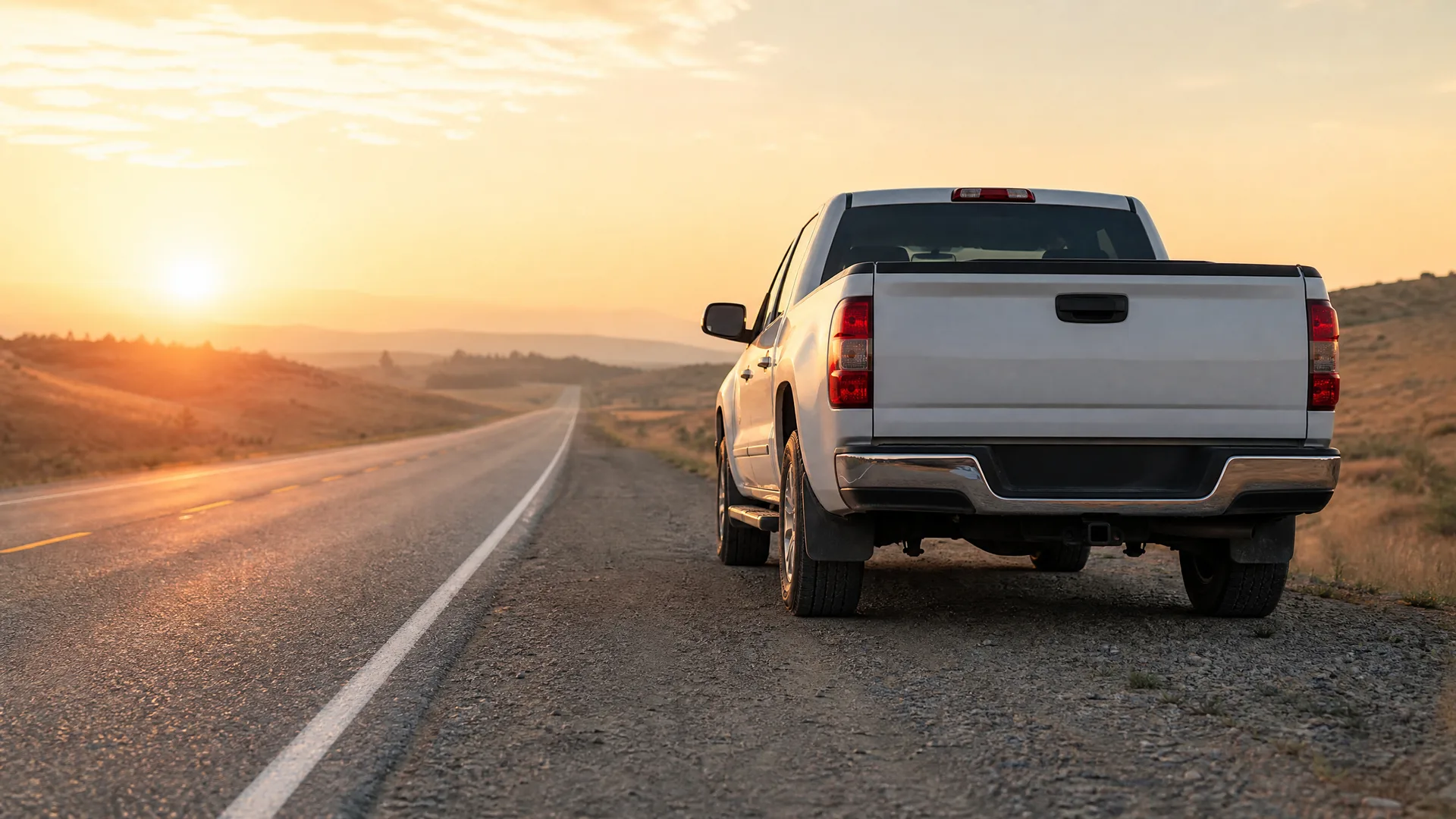
Car Insurance for Teen Drivers in Washington — Policy Guide
Free to compare
Why Washington Teen Driver Rates Differ From National Averages
Washington State requires minimum liability limits of 25/50/10, which translates to $25,000 per person for bodily injury, $50,000 per accident, and $10,000 for property damage. These minimums sit above the national median, which means baseline premiums for all drivers—including teens—start higher than in states with 15/30/5 or 20/40/10 floors.
Adding a 16-year-old male driver to a family policy in Washington typically increases annual premiums by $2,400–$4,800 depending on the carrier, vehicle, and parent's driving history. Female teen drivers generally see increases $300–$600 lower per year. The statewide average monthly cost to insure a teen driver on a family policy runs $220–$280/mo, but standalone policies for teens can exceed $400/mo with the same coverage limits.
Washington does not allow insurers to use credit scores for new policies as of 2024, following legislative changes that removed credit-based insurance scoring. This regulatory shift compresses rate variation between carriers for young drivers, since credit history previously served as a differentiator that offset age-based risk pricing. Carriers now rely more heavily on GPA verification, telematics enrollment, and vehicle assignment to segment teen driver risk.

Adding a Teen to Your Policy vs. Buying a Separate Policy
The default assumption—that family policies always cost less—breaks down when the parent carries a DUI, at-fault accident, or lapses in coverage history. A parent with a recent DUI might see their premium double when adding a teen, pushing the combined cost above what a standalone teen policy would run with a clean-record relative listed as the policyholder.
A typical scenario: a parent with a clean record pays $140/mo for full coverage on two vehicles. Adding a 17-year-old driver raises the premium to $340/mo, a $200 increase. The same teen, on a standalone policy covering a single vehicle with minimum liability, might pay $380/mo. The family policy wins by $40/mo in this case. But if the parent has a DUI surcharge already embedded in their $140 base rate, adding the teen could push the total to $480/mo, making the standalone option cheaper.
Before binding coverage, request quotes for both structures: your current policy with the teen added, and a separate policy in the teen's name with you listed as a driver. Some carriers offer "named non-owner" policies for teens who don't own a vehicle but need liability coverage when borrowing cars. This option costs $50–$90/mo in Washington and satisfies SR-22 requirements if the teen needs proof of financial responsibility after a violation.


Good Student Discounts and Verification Requirements
Washington carriers uniformly offer Good Student discounts, but the threshold and verification process vary. Most require a 3.0 GPA or higher, while some accept a "B" average without decimal precision. The discount typically reduces premiums by 8–15%, which translates to $18–$42/mo for a teen driver paying $280/mo.
Verification happens at policy inception and renewal. Carriers accept report cards, transcripts, or honor roll certificates dated within the past 90 days. Some insurers integrate with National Student Clearinghouse data, allowing automatic verification if the school participates. If your teen's school doesn't issue formal transcripts mid-year, request a signed letter from the registrar on school letterhead confirming current GPA.
The discount expires when the student graduates high school, turns 25, or drops below the GPA threshold. If your teen's grades slip mid-term, you're required to notify the carrier within 30 days under most policy contracts. Failing to report a lost discount constitutes misrepresentation and can void coverage retroactively. The financial risk of non-disclosure far exceeds the $200–$500 annual savings the discount provides.
Vehicle Assignment and How It Affects Teen Driver Premiums
Washington insurers assign each driver to a primary vehicle, and that assignment determines the bulk of the teen's premium. Assigning your teen to a 2008 Honda Civic with liability-only coverage costs significantly less than listing them as the primary operator of a 2022 SUV with collision coverage.
A teen assigned to a vehicle valued under $5,000 typically carries liability-only coverage, which costs $160–$220/mo in Washington for state minimum limits. The same teen assigned to a financed vehicle requiring full coverage sees premiums jump to $280–$380/mo because collision and comprehensive coverage on a high-value car driven by an inexperienced operator multiplies risk exposure.
Some families attempt to game the system by listing the parent as the primary driver of the newer vehicle and the teen as primary on the older car, even when the opposite reflects reality. This is material misrepresentation. If the teen crashes the newer vehicle and the insurer discovers during the claim investigation that assignment was fraudulent, the claim can be denied in full. Accurate assignment protects you during claims adjudication, even if it costs more upfront.

Check Your Rate Against the Market
Compare Auto Rates for Free
Telematics Programs and Teen Driver Monitoring
Telematics programs track driving behavior through a mobile app or plug-in device, monitoring factors like hard braking, speeding, nighttime driving, and phone use. In Washington, enrollment in these programs can reduce teen driver premiums by 10–30% depending on performance, translating to $28–$84/mo for a teen paying $280/mo.
Most carriers offer an initial "participation discount" of 5–10% just for enrolling, applied immediately at policy inception. The performance-based discount adjusts every six months based on trip data. A teen who consistently scores above 80/100 on safe driving metrics typically qualifies for the maximum discount within 12 months. A teen who scores below 60 may see the discount reduced or eliminated at renewal.
Parents gain access to trip summaries, speeding alerts, and hard braking reports through the carrier's app. This transparency creates accountability but also introduces friction if the teen perceives monitoring as intrusive. The program ends when the teen turns 25 or requests removal, but removing a telematics device mid-policy eliminates any earned discount and may trigger a rate recalculation that increases the premium above the original quote.

When to Buy Coverage Before or After the Teen Gets a License
Washington law requires insurance at the moment a driver operates a vehicle on public roads, not at the moment they receive a learner's permit. During the learner's permit phase, the teen is typically covered under the parent's policy as an unlisted driver, since they're operating the vehicle under direct supervision of a licensed adult.
Once the teen obtains an intermediate license, they must be listed as a rated driver within 30 days. Some carriers automatically rate all household members of driving age unless explicitly excluded, while others require manual addition. If your teen gets licensed and you don't report it, you're driving uninsured from the carrier's perspective, which means any accident during that unreported period could result in a denied claim and policy cancellation.
The optimal time to request quotes is two weeks before the teen's driving test, giving you time to compare rates, adjust vehicle assignments, and bind coverage effective the day the license is issued. Waiting until after the license is in hand compresses your decision window and increases the risk of a coverage gap if binding takes longer than expected.
How Washington's Comparative Negligence Rule Affects Liability Decisions
Washington follows a pure comparative negligence standard, meaning a driver can recover damages even if they're 99% at fault—they just receive only 1% of the total award. For teen drivers, this creates a scenario where even minor at-fault accidents can result in claims against your policy if the other party argues shared fault.
The state minimum liability limit of $25,000 per person sounds adequate until you calculate actual injury costs. A single emergency room visit after a moderate crash averages $22,000–$40,000 in Washington, and that doesn't include follow-up care, physical therapy, or lost wages. If your teen causes an accident that injures two people, your $50,000 per-accident limit could be exhausted quickly, leaving you personally liable for the excess.
Many Washington families increase liability limits to 100/300/100 when adding a teen driver, which costs an additional $15–$30/mo over state minimums. This incremental cost buys $75,000 more protection per accident, a coverage extension that reflects the higher collision risk teens present. Choosing liability coverage based solely on minimum compliance leaves you exposed to the exact loss scenarios teen drivers are statistically most likely to cause.
Frequently Asked Questions
Do I have to add my teen to my car insurance if they have a learner's permit in Washington?
No, teens with learner's permits are typically covered under your existing policy as unlisted drivers since they're only operating vehicles under direct supervision. Once they receive an intermediate license, they must be added as a rated driver within 30 days.
How much does a Good Student discount reduce teen car insurance in Washington?
Good Student discounts typically reduce premiums by 8–15%, which translates to $18–$42/mo for a teen driver paying $280/mo. Most carriers require a 3.0 GPA and accept report cards, transcripts, or honor roll certificates dated within the past 90 days.
Can I exclude my teen driver from my policy in Washington to avoid higher rates?
Yes, Washington allows named driver exclusions, but the excluded teen cannot operate any vehicle on your policy under any circumstances. If they drive and cause an accident, your insurer will deny the claim and you'll be personally liable for all damages.
What happens if my teen gets a ticket before I add them to my insurance?
The ticket becomes part of their driving record and will be rated when you add them to your policy. Washington insurers pull MVRs (motor vehicle records) at policy changes, so the violation will be discovered during underwriting even if the ticket was issued before they were listed.
Is it cheaper to buy an old car for my teen to avoid full coverage requirements?
Assigning your teen to a vehicle valued under $5,000 allows liability-only coverage, which costs $160–$220/mo versus $280–$380/mo for full coverage on a financed vehicle. The savings typically run $120–$160/mo, or $1,440–$1,920 annually.
Related Articles
Teen Driver Insurance in Nevada — Policy Guide
4/5/2026

Louisiana Teen Driver Insurance — Policy Guide
4/5/2026
Car Insurance for Teen Drivers in Virginia Guide
4/5/2026

Car Insurance for Seniors: Medical Appointments Only
4/5/2026

Cheapest Car Insurance in Michigan: Real Rate Data
4/2/2026
SR-22 Insurance: Costs, Duration & State Requirements
4/1/2026