
Can Your Insurer Drop You Because of Your Age? Senior Driver Rights
Free to compare
What State and Federal Law Actually Prohibits
Age discrimination in insurance exists in a narrow legal corridor. Federal law does not prohibit age-based insurance pricing or cancellation decisions — the Age Discrimination Act of 1975 exempts insurance underwriting entirely. State-level protections vary significantly, with 19 states explicitly banning age as a rating factor for auto insurance (California, Hawaii, Massachusetts, and Michigan among them), while 31 states permit age-based pricing and underwriting decisions.
Even in states with age-rating bans, insurers can legally cancel or non-renew based on correlated factors: claims frequency in the past three years, medical restrictions on a driver's license, failure to pass vision re-certification, or household changes that affect risk exposure. A California insurer cannot raise your rate at age 75 simply for turning 75, but it can non-renew your policy 60 days after your second not-at-fault claim in 18 months — a claims pattern that statistically clusters among drivers over 70.
The practical distinction matters: you cannot challenge a non-renewal based on claims history even if that history correlates perfectly with your age. But you can challenge a non-renewal letter that explicitly cites age, date of birth, or retirement status as the reason. Most non-renewal notices carefully avoid age language and instead reference "underwriting guidelines," "risk appetite changes," or "claims activity."

When Non-Renewal Is Legal vs. Discriminatory
Insurers in all 50 states can non-renew policies at renewal for nearly any reason except those explicitly protected by state law: race, religion, national origin, and in some states, credit score or age. Non-renewal differs from cancellation — cancellation terminates a policy mid-term and requires cause (non-payment, license suspension, fraud), while non-renewal simply declines to offer another term and requires only advance notice, typically 30 to 60 days depending on state law.
Legal non-renewal triggers include: two or more claims in a 36-month period regardless of fault, a single at-fault accident exceeding a dollar threshold (commonly $3,000–$5,000), accumulation of multiple moving violations, a DUI or reckless driving conviction, changes in household composition that the insurer deems higher risk, or the insurer's exit from a geographic market or customer segment. These are underwriting decisions, not age decisions, even when the policyholder is 68 and the actual trigger is a minor backing accident and a glass claim.
Discriminatory non-renewal occurs when the stated or documented reason is age, when similarly situated younger drivers with identical claims history are renewed while older drivers are not, or when the insurer applies different claims thresholds by age bracket. Proving discrimination requires documentation: request your claims history, your non-renewal reason in writing, and if possible, comparative data on how the insurer treats similar claims from drivers under 50. Most state Departments of Insurance will investigate complaints, but few drivers compile the evidence needed to demonstrate disparate treatment.


How Insurers Manage Senior Risk Without Explicitly Using Age
Rate filings reviewed by state regulators show how carriers isolate senior driver risk without triggering age-discrimination rules. Insurers segment by years-licensed (a 50-year driving history implies age 65+), by telematics scores that penalize infrequent driving or hesitation patterns common in older adults, by claim frequency bands that disproportionately capture low-speed parking and backing incidents, and by medical restriction codes that appear on state DMV records for drivers required to renew in person or pass additional testing.
Some carriers offer "mature driver" discounts for completing defensive driving courses — typically 5–10% premium reductions for drivers 55 and older — while simultaneously applying claims-frequency multipliers that erase those discounts after a single claim. The discount creates the appearance of senior-friendly pricing; the claims weighting ensures that seniors who actually use their coverage pay materially more or face non-renewal at the next term. The net effect: seniors who never claim benefit modestly, while seniors who file legitimate claims subsidize the discount pool or exit the book entirely.
Non-standard and assigned-risk markets disproportionately absorb older drivers post-non-renewal. After a non-renewal from a preferred carrier, a driver over 70 with two minor claims often finds quotes 60–110% higher than their prior premium, not because of age directly but because the residual market assumes non-renewed drivers carry unobservable risk. For context, a driver paying $95/mo with a standard carrier might face $175–$200/mo after non-renewal, even with no additional incidents.

Check Your Rate Against the Market
Compare Auto Rates for FreeYour Rights During and After a Non-Renewal Notice
You have the right to a written explanation for non-renewal in all 50 states, though the level of detail required varies. Minimum notice periods range from 10 days in a few states to 60 days in California and New York for policies held longer than one year. If no explanation is provided or the reason is vague ("underwriting guidelines" with no specifics), you can file a complaint with your state Department of Insurance and request a detailed underwriting file review.
You also retain the right to request your liability coverage continues under state-mandated assigned-risk or residual market programs if you cannot find voluntary market coverage. Every state operates or requires access to a mechanism ensuring all licensed drivers can obtain minimum required coverage, though premiums in these programs typically run 40–80% above standard market rates. This is a fallback, not a first option, but it prevents coverage gaps that would suspend your license or registration.
If you believe non-renewal was discriminatory, you must act within the statute of limitations for insurance complaints in your state — typically one to three years from the non-renewal notice date. Document everything: the non-renewal letter, all prior correspondence, your claims history, your driving record, and if possible, evidence that younger drivers with equivalent records were renewed. Contact your state insurance regulator to initiate a review before shopping for replacement coverage, as some complaints result in the insurer reversing the non-renewal decision, particularly if the stated reason cannot be supported by your underwriting file.
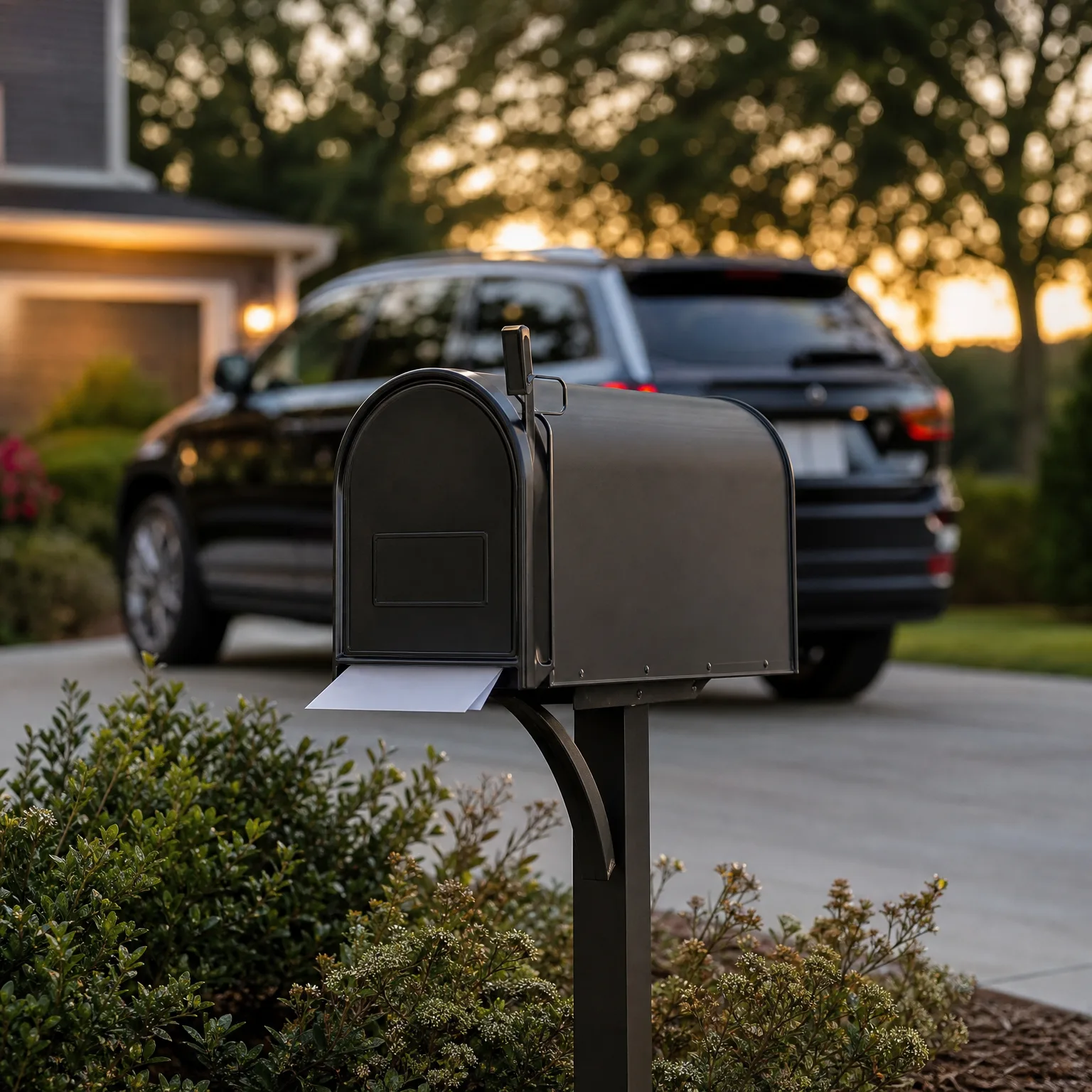
What to Do If You Receive a Non-Renewal Letter
First, confirm the non-renewal date and your coverage end date — you typically have 30–60 days, and you need active coverage the moment your current policy expires to avoid a lapse, which will increase future premiums by 10–30% even if you secure new coverage the same day. Second, request the specific underwriting reason in writing if the notice does not already include it, and obtain your full claims history and motor vehicle record so you know exactly what replacement insurers will see.
Third, begin shopping immediately but strategically. Do not assume all carriers will non-renew for the same reasons your current insurer cited. Some carriers tolerate two claims in 36 months; others set the threshold at three. Some heavily weight backing accidents; others view them as low-severity and assign minimal surcharge. Get quotes from at least four carriers with different underwriting appetites, and disclose your non-renewal and claims history accurately — misrepresentation discovered later can void your new policy retroactively.
Fourth, consider whether the claims that triggered non-renewal were worth filing. If you filed a $1,400 glass claim and a $2,100 bumper repair and now face non-renewal plus a 40% rate increase with your next insurer, you effectively paid $3,500 in claims and will pay an incremental $600–$900/year in higher premiums for the next three to five years — a total cost of $4,300–$8,000 to recover $3,500. This is not advice to avoid filing legitimate claims; it is math showing why many drivers over-insure low-severity risks and under-insure catastrophic ones. Adjust your coverage strategy accordingly: raise comprehensive and collision deductibles to $1,000 or higher to prevent low-dollar claims from entering your record, and ensure your liability limits are high enough to protect assets if you cause serious injury.

How to Reduce Non-Renewal Risk Going Forward
Avoid filing claims under $2,000 unless required by a lienholder or unless the alternative is paying out of pocket for damage you cannot afford. Insurers track claim frequency more heavily than claim severity for non-renewal decisions — three $1,500 claims trigger non-renewal faster than one $8,000 claim in most underwriting models. If you have a minor accident and can pay the repair cost without financial hardship, paying out of pocket protects your insurability for when you need coverage for a loss you cannot self-fund.
Complete a state-approved defensive driving course if your insurer offers a discount and you have not taken one in the past three years. The discount is secondary; the behavioral signal matters more. Insurers view course completion as a risk-mitigation effort, and some underwriting systems apply a modest favorability weighting separate from the discount itself. In states that allow point reduction for course completion, the double benefit — lower points and lower premium — compounds.
If your state offers telematics programs, enroll only if your driving patterns align with what the program rewards: moderate speeds, smooth braking, driving primarily during daylight hours, and consistent weekly mileage. Telematics programs penalize infrequent drivers and hesitant driving behavior, both of which are more common among older adults. If you drive three times per week for short errands and brake cautiously, telematics will likely increase your rate or provide no benefit. If you drive daily with confident, predictable patterns, telematics may reduce your premium by 10–20% and create a documented low-risk profile that insulates you from non-renewal after a minor claim.
Frequently Asked Questions
Can my insurer cancel my policy just because I turned 70?
Not mid-term in any state — cancellation requires cause like non-payment or fraud. At renewal, the answer depends on your state: 19 states ban age-based non-renewal, while 31 allow it. Even where banned, insurers can non-renew based on claims, violations, or medical restrictions that correlate with age.
What is the difference between cancellation and non-renewal?
Cancellation ends your policy before the term expires and requires a specific cause like non-payment, license suspension, or misrepresentation. Non-renewal declines to offer another term at renewal and requires only advance notice — typically 30–60 days — and can occur for almost any underwriting reason not explicitly prohibited by state law.
How long does a non-renewal stay on my insurance record?
Non-renewals themselves are not reported to a central database, but the claims or violations that caused the non-renewal remain on your record for three to five years depending on state and incident type. Future insurers will ask if you have been non-renewed in the past three years, and misrepresenting that history can void your new policy.
What happens if I can't find coverage after a non-renewal?
Every state provides access to assigned-risk or residual market coverage that guarantees minimum liability limits for all licensed drivers. Premiums typically run 40–80% above standard market rates, but the program prevents coverage lapses that would suspend your license or registration.
Can I appeal a non-renewal decision?
You can file a complaint with your state Department of Insurance requesting review of the non-renewal reason and your underwriting file. If the insurer cannot document a valid underwriting basis or applied standards inconsistently, regulators may require reinstatement. You typically have one to three years from the non-renewal date to file, but act quickly to avoid coverage gaps.
Related Articles

Teen Driver Insurance in Nevada — Policy Guide
4/5/2026

Louisiana Teen Driver Insurance — Policy Guide
4/5/2026

Car Insurance for Teen Drivers in Virginia Guide
4/5/2026

Car Insurance for Seniors: Medical Appointments Only
4/5/2026

Cheapest Car Insurance in Michigan: Real Rate Data
4/2/2026

SR-22 Insurance: Costs, Duration & State Requirements
4/1/2026