
What Affects Rates in Santa Fe
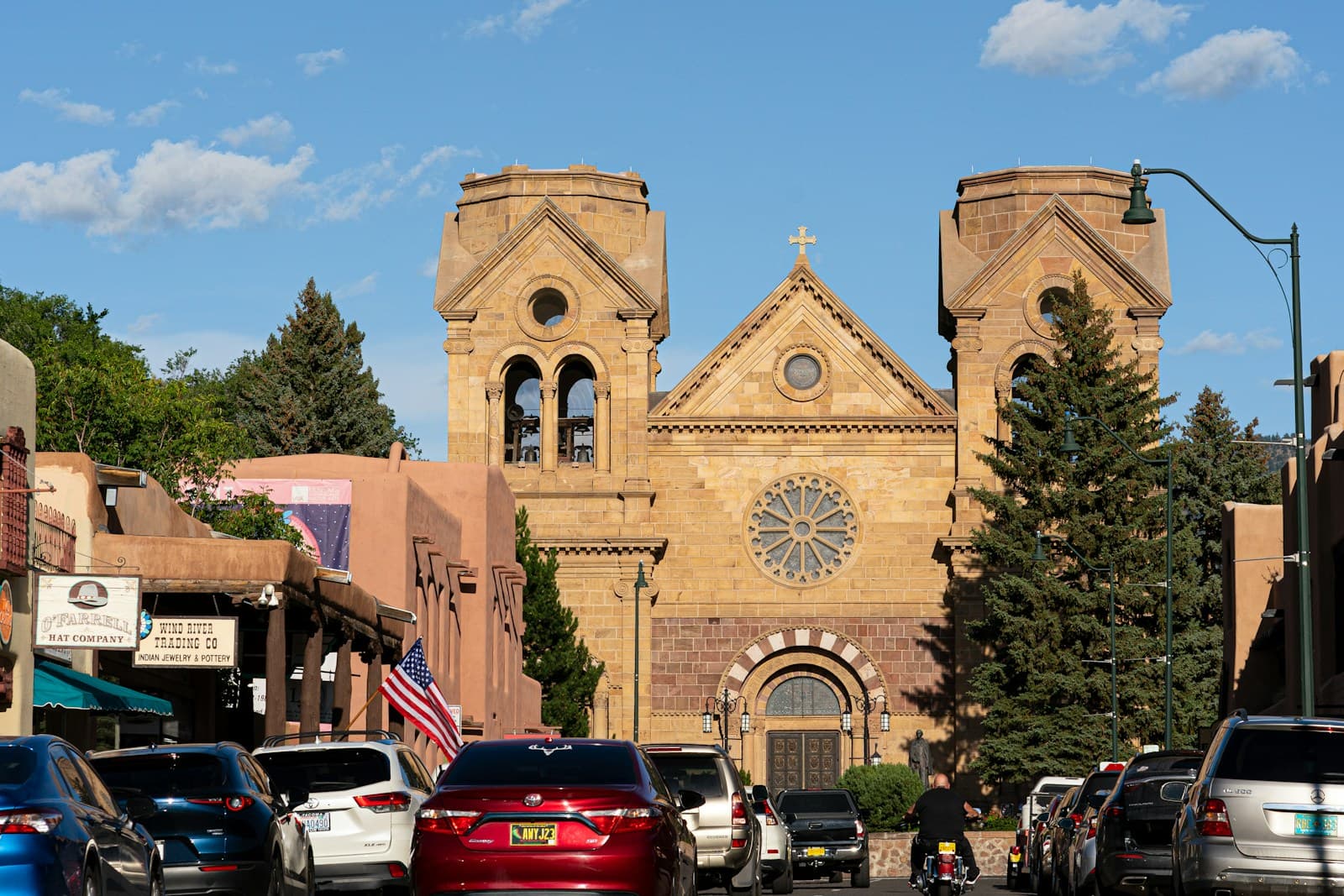
- Downtown Santa Fe and the Plaza area experience heavy pedestrian and vehicle traffic from March through October, with collision frequency increasing 20–30% during peak tourist months. St. Francis Drive (US-84/285) sees elevated rear-end collisions during rush periods as commuters mix with out-of-state visitors unfamiliar with traffic patterns. Insurers adjust rates upward for zip codes near Paseo de Peralta and Old Santa Fe Trail.
- Roughly 18% of Santa Fe's workforce commutes to Albuquerque via I-25, adding 50–60 miles daily and increasing collision exposure on a highway with frequent speed-related crashes near La Bajada Hill. This extended commute distance pushes annual mileage higher than other New Mexico cities of similar size, directly impacting liability and collision premiums. Drivers with Albuquerque ZIP codes as work addresses typically see 10–15% higher rates.
- Santa Fe's high elevation brings frequent winter ice on shaded roads and sudden summer monsoon hailstorms from June through September. Comprehensive claims for hail damage and weather-related collisions cluster in July and August, particularly in exposed areas along NM-599 and airport access roads. Black ice conditions on Hyde Park Road (NM-475) and hillside neighborhoods increase collision severity during December through February.
- Santa Fe's median household income and arts economy support higher-than-average vehicle values, with luxury and high-end SUV ownership exceeding state norms by 15–20%. Insurers price collision and comprehensive coverage higher to reflect replacement costs for vehicles garaged in 87506 and 87508 zip codes. The concentration of Subarus, Land Rovers, and electric vehicles in hillside neighborhoods drives up average repair costs citywide.
- Neighborhoods in the Santa Fe National Forest interface—including Tesuque, Hyde Park corridor, and areas east of Artist Road—face elevated wildfire risk, particularly after drought years. Insurers factor evacuation patterns and vehicle loss potential into comprehensive premiums for properties in Wildland-Urban Interface zones. The 2022 Hermits Peak/Calf Canyon fire reminded carriers of regional exposure, influencing underwriting for hillside zip codes.
Compare auto insurance rates in your state
Get matched with licensed carriers in minutes. One short form, real quotes, no obligation.
Get Your Free QuoteCoverage Recommendations
Cost estimates are based on available industry data and vary by driver profile. These are not insurance quotes.
Liability Insurance
Tourist traffic and pedestrian activity near the Plaza increase third-party injury risk, making higher liability limits prudent for Santa Fe drivers.
$550–$850/year minimumEstimated range only. Not a quote.
Full Coverage
Essential for financed vehicles given Santa Fe's hail exposure, ice collision risk, and higher-than-average repair costs for the local vehicle mix.
$1,400–$2,100/yearEstimated range only. Not a quote.
Comprehensive Coverage
Santa Fe's summer hailstorms and wildfire evacuation risk make comprehensive critical for vehicles in exposed or hillside areas, particularly along NM-599 and forest-interface neighborhoods.
$300–$500/yearEstimated range only. Not a quote.
Collision Coverage
Winter ice on hillside roads and congestion on St. Francis Drive and Cerrillos Road drive collision claim frequency above rural New Mexico averages.
$600–$900/yearEstimated range only. Not a quote.
Uninsured Motorist Coverage
Santa Fe's mix of local, tourist, and commuter traffic increases exposure to out-of-state and uninsured drivers on I-25 and downtown corridors.
$150–$250/yearEstimated range only. Not a quote.