
What Affects Rates in Olathe
- The I-35 corridor through Olathe carries over 100,000 vehicles daily, making it the primary rate driver for residents near Santa Fe and College Boulevard exits. Morning and evening backups between 119th and 151st Streets contribute to elevated collision frequency. Drivers living east of Ridgeview or west of Mur-Len typically see 10–15% lower premiums than those near highway interchanges.
- Older neighborhoods between Harrison and Ridgeview show lower theft and vandalism claims compared to newer subdivisions west of Lone Elm Road. Areas near the Great Mall and entertainment district along 151st see higher comprehensive claims from vehicle break-ins. ZIP code 66062 consistently prices 12–18% higher than 66061 due to commercial density.
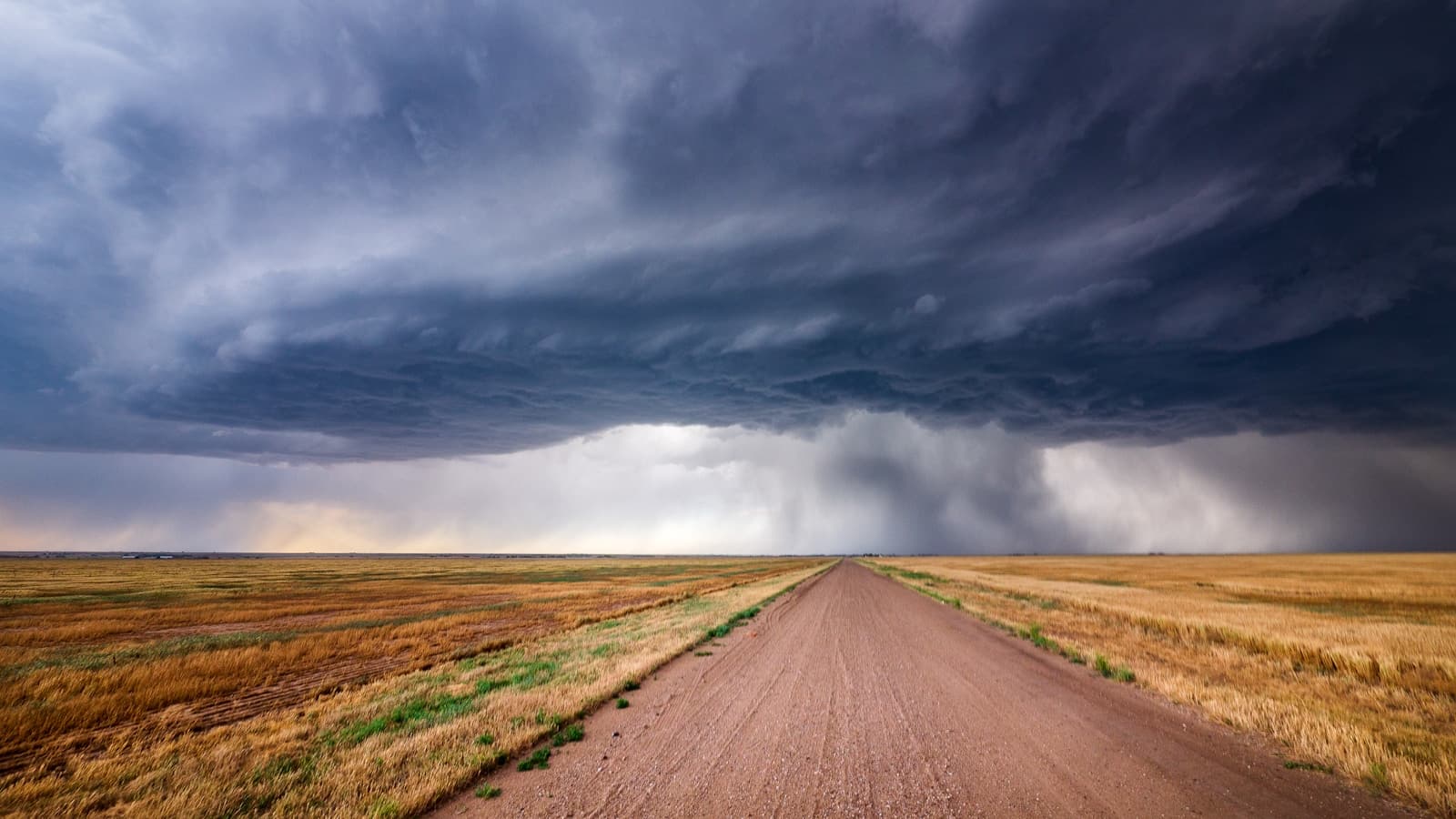
- Olathe sits in a hail corridor that produces damaging storms from April through June, with Johnson County averaging 6–8 significant hail events annually. Comprehensive coverage claims spike after spring supercells, particularly in open areas west of K-7. The 2023 hailstorm alone generated over $40 million in regional auto damage claims.
- Average Olathe residents commute 22–26 minutes, primarily north toward Overland Park and Lenexa corporate centers along I-35 and 435. Annual mileage for suburban commuters typically ranges 14,000–18,000 miles, moderating rates compared to urban Kansas City but elevating them above rural Kansas towns. Distance-based usage programs can reduce premiums 8–12% for lower-mileage drivers.
- Johnson County maintains Kansas's lowest uninsured driver rate at approximately 7%, well below the statewide 10–12% average. However, cross-border traffic from Wyandotte County and Missouri increases exposure along shared corridors like State Line Road and I-35. UM/UIM coverage adds $80–$140 annually but provides critical protection on mixed-traffic routes.
Compare auto insurance rates in your state
Get matched with licensed carriers in minutes. One short form, real quotes, no obligation.
Get Your Free QuoteCoverage Recommendations
Cost estimates are based on available industry data and vary by driver profile. These are not insurance quotes.
Liability Insurance
I-35 and K-7 congestion increases rear-end collision risk during commutes, making higher liability limits prudent for asset protection.
$450–$750/yearEstimated range only. Not a quote.
Full Coverage
Essential for financed vehicles given Olathe's hail exposure and elevated theft rates near 151st Street commercial zones.
$1,600–$2,400/yearEstimated range only. Not a quote.
Comprehensive Coverage
Spring hailstorms and deer activity along western rural edges make this critical; 2023 hail events caused widespread vehicle damage.
$280–$480/yearEstimated range only. Not a quote.
Collision Coverage
High traffic volumes at Santa Fe/I-35 and 119th/Ridgeview intersections drive collision frequency above rural Kansas rates.
$520–$880/yearEstimated range only. Not a quote.
Uninsured Motorist
Cross-border commuters and I-35 through-traffic from higher-uninsured counties increase exposure despite Johnson County's low uninsured rate.
$80–$140/yearEstimated range only. Not a quote.