
What Affects Rates in Tuscaloosa
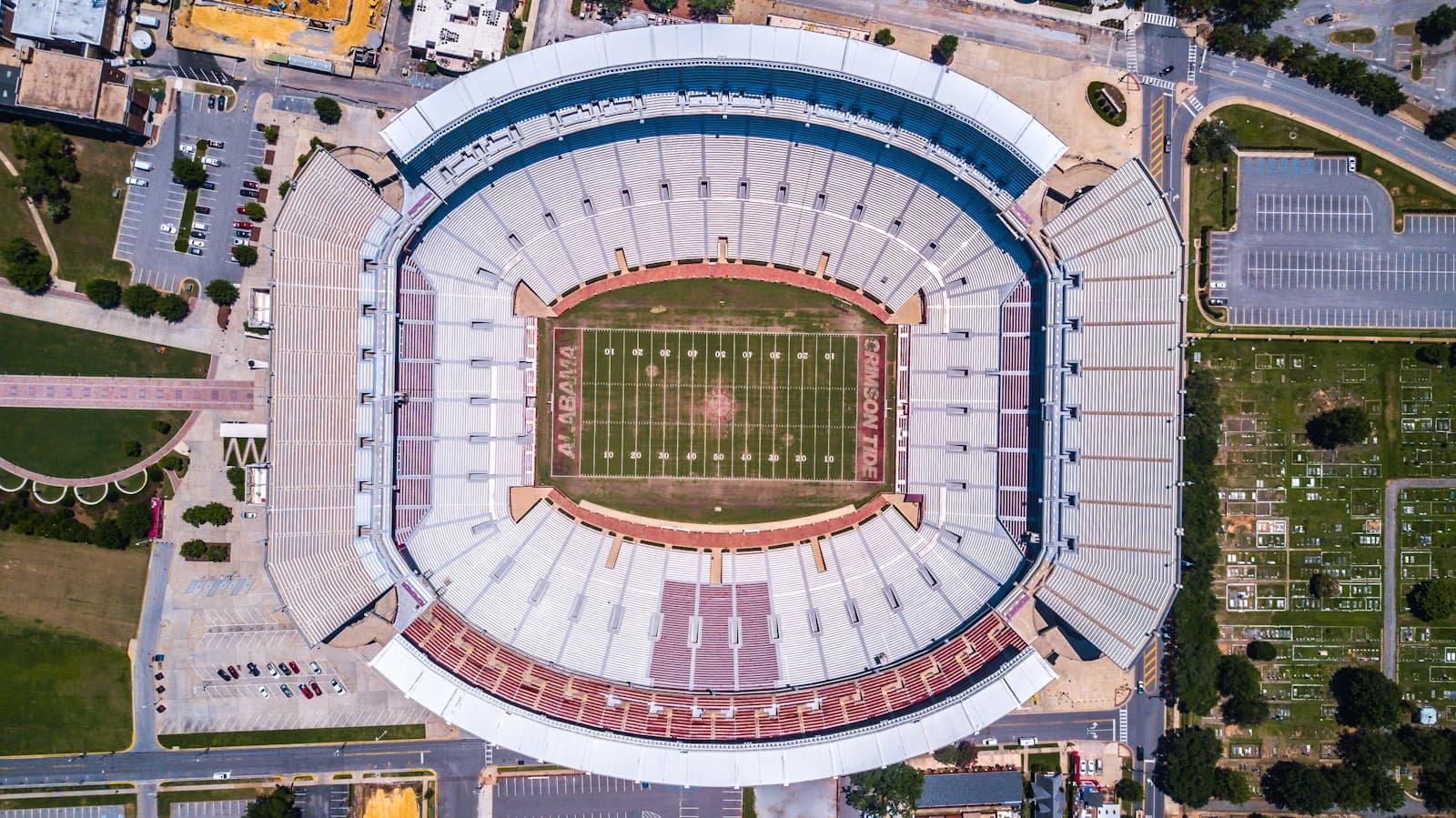
- The University of Alabama adds 38,000+ students to local roads, creating dense pedestrian and vehicle traffic around campus areas. Accidents spike during move-in periods, home football weekends, and evening hours along University Boulevard and 15th Street. Drivers with addresses near campus typically see 10-15% higher premiums due to elevated collision frequency.
- The merged I-20/I-59 corridor through Tuscaloosa serves as a primary commute route for workers traveling to Birmingham and regional employment centers. Multi-vehicle accidents are most common near Exit 76 (US-82) and Exit 71 (McFarland Boulevard) during morning and evening rush periods. Comprehensive coverage is essential for daily interstate commuters facing higher exposure.
- McFarland Boulevard (US-82) functions as Tuscaloosa's main commercial artery, running north-south through heavy retail zones. Rear-end collisions and parking lot incidents drive claims frequency between Skyland Boulevard and University Boulevard. Properties with McFarland addresses often see slightly elevated rates due to traffic density.
- Tuscaloosa sits in a high-risk tornado corridor, with April 2011 tornado damage still shaping insurance models. Spring severe weather from March through May brings hail, high winds, and tornado risk that elevate comprehensive claims. Carriers price weather risk into premiums, particularly for neighborhoods west of I-359 that saw significant 2011 impact.
- Newer developments in Northport (across the Black Warrior River) and Lake Tuscaloosa neighborhoods show lower theft and vandalism rates than central Tuscaloosa. Drivers in Cottondale, Coaling, and outer Northport ZIP codes often qualify for discounts due to reduced claims frequency and longer emergency response times that paradoxically correlate with safer driving environments.
Compare auto insurance rates in your state
Get matched with licensed carriers in minutes. One short form, real quotes, no obligation.
Get Your Free QuoteCoverage Recommendations
Cost estimates are based on available industry data and vary by driver profile. These are not insurance quotes.
Liability Insurance
University district pedestrian traffic and McFarland Boulevard congestion increase liability exposure for Tuscaloosa drivers during peak hours.
$450–$750/yearEstimated range only. Not a quote.
Full Coverage
Essential for I-20/I-59 daily commuters and drivers financing vehicles in tornado-prone areas west of I-359.
$1,350–$2,100/yearEstimated range only. Not a quote.
Comprehensive Coverage
Tuscaloosa's tornado history and spring severe weather patterns make comprehensive critical for protecting against hail and wind damage.
$300–$550/yearEstimated range only. Not a quote.
Collision Coverage
High claim frequency on McFarland Boulevard and near Exit 76 on I-20/I-59 makes collision coverage valuable for frequent drivers.
$550–$950/yearEstimated range only. Not a quote.
Uninsured Motorist
Alabama's estimated 13% uninsured rate means one in eight Tuscaloosa drivers may lack proper coverage during accidents.
$150–$280/yearEstimated range only. Not a quote.