
Car Insurance Non-Renewal for Seniors: What Actually Triggers It
Free to compare
Why Carriers Non-Renew Senior Drivers (It's Not Age Itself)
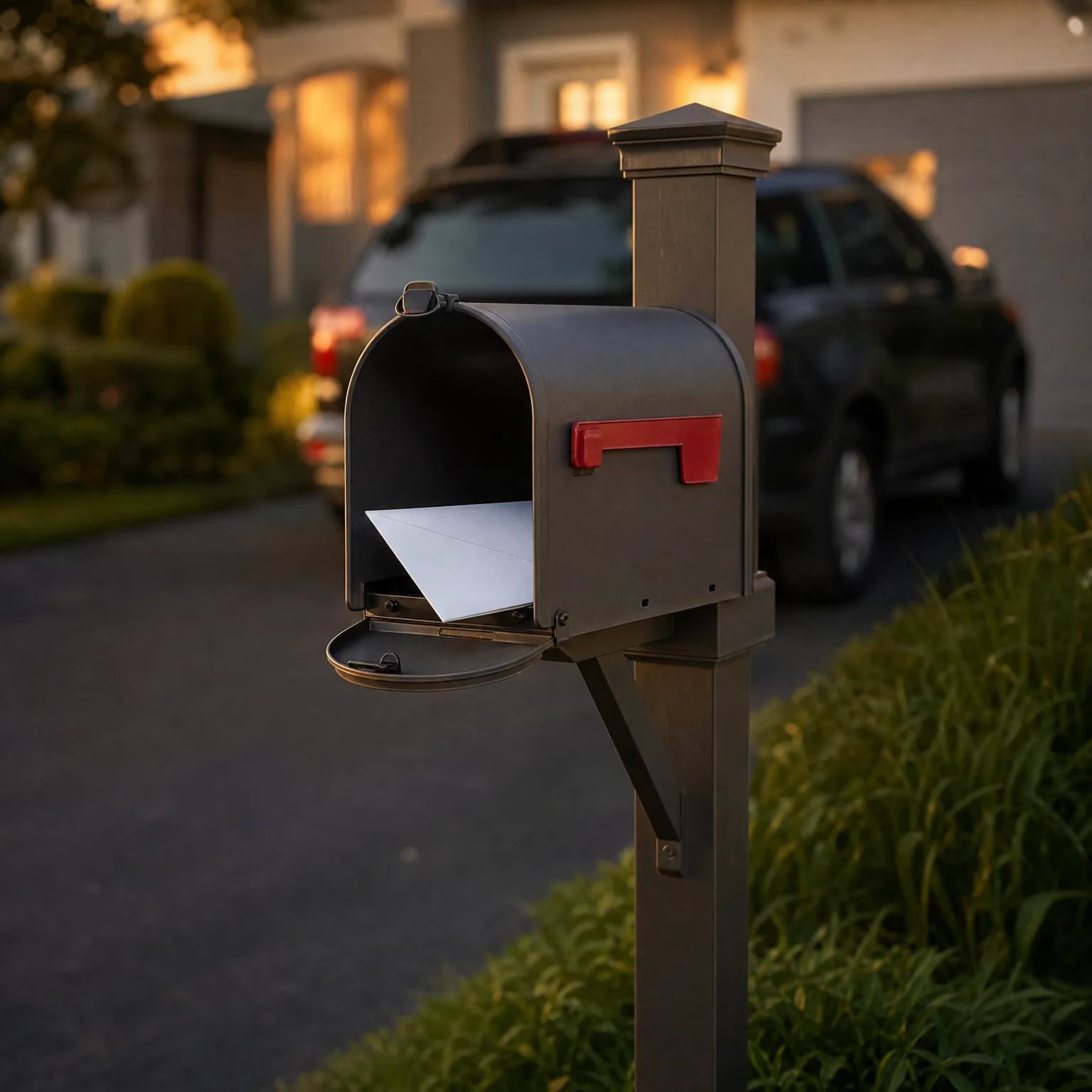
You received a non-renewal notice, and the timing feels suspicious—you just turned 72, or you mentioned your age during a recent claim call. But no major U.S. carrier can legally non-renew a policy based solely on the policyholder's age, thanks to state insurance regulations that classify age-based cancellation as discriminatory in most jurisdictions.
What carriers can do is non-renew based on factors that correlate with age but remain technically age-neutral: two or more at-fault claims in a 36-month period, a lapse in coverage exceeding 30 days, failure to provide requested medical documentation after an accident, or residing in a ZIP code where the carrier is reducing exposure. These triggers disproportionately affect drivers over 70—who file claims at roughly 1.4 times the rate of middle-aged drivers according to Insurance Institute for Highway Safety data—but the non-renewal letter will cite the claim pattern, not your birthdate.
Some states add another layer. California, for example, prohibits non-renewal for drivers over 55 unless the insurer can document specific underwriting reasons beyond age. Florida requires carriers to offer a hearing before non-renewing a policyholder over 65 with more than three years of continuous coverage. If your non-renewal notice arrived without citing a concrete reason—just vague references to "underwriting guidelines"—your state's Department of Insurance complaint process may force the carrier to provide documentation or reverse the decision.

The Three Most Common Non-Renewal Triggers for Older Drivers
Claim frequency tops the list. If you've filed two claims in 24 months, even if neither was at-fault, many carriers flag your policy for non-renewal review. Comprehensive claims count here—hitting a deer, hail damage, and windshield replacements all contribute to the tally that underwriting systems use to calculate future loss probability. Drivers over 70 are statistically more likely to file smaller claims rather than absorb minor damage costs, which creates a claim-frequency profile that triggers algorithmic non-renewal even when total payout remains low.
Medical flags come next. If you were involved in an accident and the police report noted confusion, delayed reaction, or a medical episode, your carrier may request a cognitive screening or medical clearance from your physician. Failure to provide this documentation within the requested timeframe—typically 30 to 45 days—gives the carrier grounds to non-renew for "failure to cooperate with underwriting." This isn't age discrimination; it's a contractual obligation most policies include in the declarations page fine print.
Geographic withdrawal is the third common trigger. Carriers periodically exit entire ZIP codes, counties, or states due to loss ratios or regulatory disputes. If you live in a coastal Florida county, a wildfire-prone California region, or a Michigan city where personal injury protection costs have spiked, your non-renewal may have nothing to do with your personal driving record. The clue: if neighbors with different carriers or risk profiles also received non-renewal notices in the same quarter, the issue is market-level, not individual. senior auto insurance rates


What to Do Within 30 Days of Receiving the Notice
Your non-renewal notice includes an effective date—the day your current coverage ends. Most states require at least 30 days' advance notice, but a few (like New York and Texas) mandate 60 days for policies held longer than two years. This window is not negotiable, and missing it leaves you uninsured, which creates a coverage gap that will increase your rates with the next carrier by 15–35% depending on gap length.
Call your current carrier's retention department before shopping elsewhere. Ask explicitly: "What underwriting factor triggered this non-renewal, and is there any documentation I can provide to reverse it?" If the trigger was a claim you don't recognize, request a loss history report—errors happen, and disputed claims can sometimes be removed if you provide police reports or repair receipts that contradict the carrier's records. If the trigger was a medical flag, ask whether completing a cognitive screening from an approved provider would allow reinstatement. Roughly 20% of non-renewals are reversed during this call, particularly if you've been with the carrier for more than five years.
If reversal isn't possible, request a detailed loss history letter on carrier letterhead. This document shows future insurers exactly what your current carrier sees: claim dates, payout amounts, fault determination, and any underwriting notes. Bringing this to your next carrier prevents surprises during the application process and gives you a chance to explain circumstances—like a deer strike or hail claim—that might otherwise be misclassified as at-fault losses.
Where Senior Drivers Find Coverage After Non-Renewal
Standard carriers become more selective after non-renewal, but you're not automatically pushed into high-risk markets. If your non-renewal was claim-related but you have no at-fault accidents or violations, captive carriers like State Farm and Nationwide often accept drivers other companies non-renew, particularly if you're willing to accept higher deductibles or reduced coverage limits. These carriers use agent discretion rather than purely algorithmic underwriting, which gives you room to explain circumstances.
If your non-renewal involved an at-fault accident or a DUI, you'll likely need a carrier that specializes in non-standard risk. These insurers—like Dairyland, The General, or Bristol West—charge 40–80% more than standard market rates but offer immediate coverage without waiting periods. The rate penalty typically drops after 36 months of claim-free driving, at which point you can move back to a standard carrier. Some states also operate assigned risk plans that guarantee coverage regardless of driving history, though premiums often exceed even non-standard market rates.
Usage-based insurance programs offer a third option. Carriers like Nationwide's SmartRide or Progressive's Snapshot allow you to prove low-mileage, safe driving habits through a telematics device, which can offset non-renewal flags in your loss history. If you drive fewer than 7,500 miles annually and avoid hard braking or late-night trips, these programs can reduce your post-non-renewal premium by 10–25% compared to standard underwriting.

Check Your Rate Against the Market
Compare Auto Rates for Free
How State Laws Change Your Options After 65
State regulations create vastly different experiences for senior drivers facing non-renewal. Eighteen states prohibit insurers from using age as a rating factor, but only California, Hawaii, and Massachusetts explicitly ban non-renewal for seniors with clean records. In these states, if you've held continuous coverage for three or more years and have no at-fault accidents in the past 36 months, your carrier must offer renewal regardless of your age or claim frequency, though they can still adjust your premium.
Other states allow non-renewal but impose procedural requirements that give you leverage. Pennsylvania requires carriers to provide a detailed written explanation of non-renewal reasons and allows you to request an administrative review if you believe the reason violates state law. New York mandates that carriers offer at least one renewal after a claim before non-renewing, giving you a 12-month window to shop while still insured. Florida's hearing requirement for drivers over 65 applies only if you request it in writing within 20 days of receiving the non-renewal notice—miss that deadline, and the protection disappears.
If your state lacks these protections, your recourse is limited to filing a complaint with the Department of Insurance. This won't reverse a lawful non-renewal, but it does create a paper trail that some carriers take seriously—particularly if you can demonstrate that the stated non-renewal reason contradicts their own documentation or violates their filed underwriting guidelines.
When to Accept Non-Renewal Instead of Fighting It
Not every non-renewal is worth reversing. If your current carrier non-renewed you after two claims and you're now facing a 40% rate increase at renewal anyway, the non-renewal may save you money. Carriers that non-renew often charge significantly more than competitors for drivers with similar profiles, because their underwriting models have already flagged you as high-risk. Shopping the market with a clean loss history letter sometimes yields rates 20–30% lower than what your renewing carrier would have charged, even after the non-renewal.
Similarly, if your non-renewal notice cited geographic withdrawal—your carrier is exiting your county or state entirely—there's no benefit to fighting it. The decision isn't about your individual risk, and even if you persuaded them to keep you, your rates would likely spike as the carrier prices for an exit strategy. Use the notice period to shop aggressively and lock in coverage before your current policy expires.
The only time fighting a non-renewal is tactically necessary: when it's based on incorrect information that will follow you to other carriers. If your loss history shows an at-fault accident you didn't cause, or a claim payout that never occurred, leaving that uncorrected will raise your rates with every future carrier. In that case, the appeal isn't about staying with your current insurer—it's about cleaning your record before you shop.
How to Prevent Future Non-Renewals as You Age
The most effective prevention strategy is claim selectivity. If you have a minor accident or damage that costs less than twice your deductible, pay out of pocket rather than filing. A $1,200 repair on a policy with a $500 deductible nets you $700 from the carrier but adds a claim to your record that can trigger non-renewal after just one more incident. Drivers who file zero claims over a three-year period are non-renewed at less than 2% the rate of drivers with two or more claims, regardless of fault or payout size.
If your state allows it, consider increasing your liability limits while raising your collision and comprehensive deductibles. Higher liability coverage—moving from 50/100/50 to 100/300/100—costs an additional $8–$15 per month but signals to underwriters that you're a lower-risk policyholder. Pairing that with a $1,000 deductible instead of $500 reduces your premium and makes you less likely to file small claims, which keeps your loss frequency low.
Finally, avoid coverage lapses at all costs. A gap of even 15 days between policies is treated by most carriers as a lapse, which becomes a non-renewal risk factor that persists for 36 months. If you're switching carriers, overlap your effective dates—start your new policy the day before your old one expires—and keep proof of continuous coverage for at least three years. This documentation becomes critical if you ever need to dispute a non-renewal based on alleged lapse history.
Frequently Asked Questions
Can a car insurance company drop you because of your age?
No major U.S. carrier can legally non-renew a policy based solely on age due to state anti-discrimination regulations. However, carriers can non-renew based on age-correlated factors like claim frequency, failure to provide medical documentation, or residing in a ZIP code where they're reducing exposure. If your non-renewal notice doesn't cite a specific underwriting reason beyond age, file a complaint with your state's Department of Insurance.
How much notice does an insurance company have to give before non-renewal?
Most states require at least 30 days' advance notice before a non-renewal effective date, though New York and Texas mandate 60 days for policies held longer than two years. The notice must include the specific reason for non-renewal and your policy's expiration date. Missing this deadline leaves you uninsured, which creates a coverage gap that will increase future rates by 15–35%.
What happens if I can't find insurance after being non-renewed?
If standard carriers decline coverage, non-standard insurers like Dairyland or The General typically accept drivers with non-renewal history at rates 40–80% higher than standard market. Every state also operates an assigned risk plan that guarantees coverage regardless of driving record, though premiums often exceed non-standard market rates. Coverage is always available—the variable is cost.
Will a non-renewal show up when I apply for new insurance?
Yes, most carriers check prior insurance history and will see the non-renewal along with the reason your previous carrier provided. This is why requesting a detailed loss history letter from your current carrier is critical—it allows you to explain the circumstances and correct any errors before they affect your application. Non-renewals remain visible to insurers for up to five years depending on state reporting requirements.
Can I prevent non-renewal by switching to a different agent with the same company?
No, non-renewal decisions are made at the carrier underwriting level, not by individual agents. Switching agents within the same company won't change the outcome. However, calling the carrier's retention department before the non-renewal effective date can sometimes reverse the decision if you provide requested documentation or agree to policy changes like higher deductibles or reduced coverage.
Related Articles

Teen Driver Insurance in Nevada — Policy Guide
4/5/2026

Louisiana Teen Driver Insurance — Policy Guide
4/5/2026

Car Insurance for Teen Drivers in Virginia Guide
4/5/2026

Car Insurance for Seniors: Medical Appointments Only
4/5/2026

Cheapest Car Insurance in Michigan: Real Rate Data
4/2/2026

SR-22 Insurance: Costs, Duration & State Requirements
4/1/2026