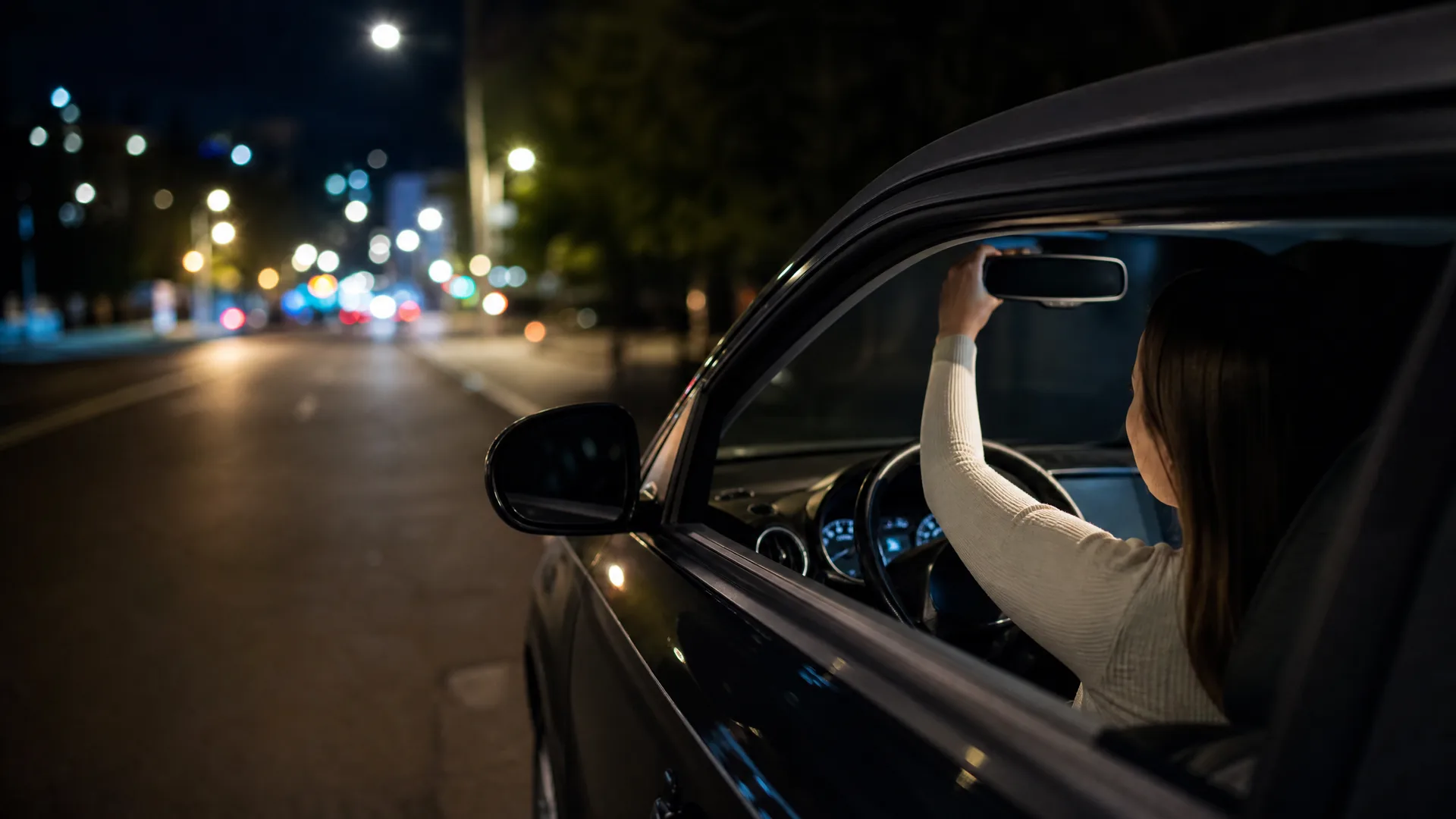
Car insurance for Uber and Lyft drivers — what you actually need
Free to compare
Why your personal policy doesn't cover rideshare driving
Most personal auto insurance policies explicitly exclude coverage when the vehicle is used for commercial purposes, including paid rideshare. The moment you toggle the Uber or Lyft app to "available," your personal policy typically stops covering liability and collision — even if you haven't accepted a ride yet.
This exclusion exists because rideshare driving changes your risk profile. Insurance companies price personal policies based on commuting and personal errands, not on hours spent cruising for passengers in high-traffic urban areas. Drivers who operate 15–20 hours per week face meaningfully higher accident exposure than drivers using the same vehicle only for personal trips.
Uber and Lyft provide some coverage, but it varies by phase of the ride. Understanding what their policies cover — and what they don't — determines whether you need a rideshare endorsement, a commercial policy, or both.

How Uber and Lyft coverage works across three phases
Rideshare coverage operates in three distinct phases, each with different liability limits and collision terms.
Phase 1: App is on, waiting for a ride request. Uber and Lyft provide liability coverage of $50,000 per person, $100,000 per accident for bodily injury, and $25,000 for property damage. This is contingent coverage — it only applies if your personal policy denies the claim. No collision or comprehensive coverage applies during Phase 1 unless your personal policy or a rideshare endorsement covers it.
Phase 2: Ride request accepted, en route to pick up the passenger. Uber and Lyft provide $1 million in liability coverage. Collision and comprehensive apply with a $2,500 deductible for Uber drivers and $2,500 for Lyft drivers (both companies adjusted deductibles to this level in recent years). If your personal policy has a $500 deductible, you'll pay five times more out of pocket during Phase 2.
Phase 3: Passenger in the vehicle. The same $1 million liability and collision/comprehensive with $2,500 deductible apply. This is the best-covered phase, but the high deductible still creates a gap if you're used to a lower deductible on your personal policy. collision coverage


The Phase 1 coverage gap and why it matters
Phase 1 is where most rideshare drivers are exposed. You're online, waiting for requests, often circling high-demand areas. If you cause an accident during this phase, Uber or Lyft's $50,000/$100,000/$25,000 contingent liability only kicks in if your personal insurer denies the claim — and most will, citing the commercial use exclusion.
If the accident exceeds those limits, you're personally liable for the difference. A serious multi-vehicle accident can easily generate $200,000+ in bodily injury claims. The $100,000 Phase 1 limit leaves you exposed to a six-figure lawsuit.
Phase 1 also has no collision or comprehensive coverage from Uber or Lyft. If you hit a pole while waiting for a ping, neither the rideshare company nor your personal insurer will cover your vehicle repairs. A rideshare endorsement or commercial policy is the only way to close this gap.
Rideshare endorsements vs. commercial policies: cost and coverage
A rideshare endorsement is an add-on to your personal auto policy that fills the Phase 1 gap. It typically costs $10 to $30 per month, depending on your state, driving record, and insurer. The endorsement extends your personal policy's liability and collision/comprehensive coverage to Phase 1, so your deductible and limits remain consistent whether you're online or offline.
Not all insurers offer rideshare endorsements. State Farm, Allstate, GEICO, Progressive, and Farmers offer them in most states, but availability varies. If your current carrier doesn't offer one, you'll need to switch insurers or buy a commercial policy.
A commercial auto policy covers all three phases and any business use of the vehicle. These policies typically cost $150 to $400 per month for rideshare drivers, depending on location, vehicle value, and coverage limits. Commercial policies make sense if you drive full-time (30+ hours per week), use the vehicle for other business purposes, or can't find an affordable rideshare endorsement.
For part-time drivers doing 10–15 hours per week, a rideshare endorsement is almost always cheaper. For full-time drivers, the gap narrows — commercial policies offer broader coverage but at a significantly higher monthly cost.

Check Your Rate Against the Market
Compare Auto Rates for Free
What happens if you don't disclose rideshare driving
Failing to disclose rideshare activity to your personal insurer is material misrepresentation. If you file a claim while the app was on — even in Phase 2 or 3 when Uber or Lyft's coverage applies — your personal insurer can deny the claim and cancel your policy for fraud.
Even if Uber or Lyft's policy pays the claim, losing your personal policy creates a coverage gap for personal driving. You'll be flagged as a high-risk driver, making it harder and more expensive to get coverage elsewhere. Some drivers assume they can avoid disclosure if they only drive occasionally, but a single claim can trigger an investigation into app activity timestamps.
Insurers increasingly cross-reference claims with rideshare company records. If your accident occurred at 7:43 p.m. and the rideshare app shows you were online at that time, the claim will be denied and your policy canceled. The risk isn't worth the $10–$30 per month you'd save by skipping the endorsement.
State-specific rideshare insurance requirements
A handful of states require rideshare companies to provide specific minimum coverage, but these mandates don't eliminate the Phase 1 gap. California, for example, requires transportation network companies to carry $1 million in liability during Phases 2 and 3, but Phase 1 remains at the lower contingent limits.
Some states regulate whether insurers can deny claims based on rideshare activity. In Colorado, insurers must explicitly exclude rideshare in writing — if the exclusion isn't clear, the insurer may be required to cover the claim. In New York, rideshare drivers operating for-hire vehicles need commercial TLC insurance, which operates under different rules than standard rideshare endorsements.
If you drive in multiple states — crossing from New Jersey into New York, for instance — you need coverage that applies in both jurisdictions. Rideshare endorsements are typically state-specific, so confirm your endorsement covers cross-border trips if you regularly drive in metro areas that span state lines.
How to choose between an endorsement and a commercial policy
If you drive fewer than 20 hours per week and use the vehicle primarily for personal trips, a rideshare endorsement is almost always the right choice. It's cheaper, easier to manage, and keeps your personal and rideshare coverage under one policy with consistent deductibles and limits.
If you drive 30+ hours per week, deliver food or packages in addition to rideshare, or own multiple vehicles used for business, a commercial policy may be necessary. Commercial policies offer higher liability limits (often $1 million or more), cover non-rideshare business use, and don't require toggling between personal and commercial coverage.
If your personal insurer doesn't offer a rideshare endorsement, get quotes from State Farm, Allstate, GEICO, Progressive, and Farmers before switching to a commercial policy. Switching insurers for a $15/month endorsement is often cheaper than paying $200+/month for commercial coverage.
Compare the total monthly cost: personal policy premium + rideshare endorsement vs. commercial policy premium. Factor in your deductible — if you're comfortable with the $2,500 deductible in Phases 2 and 3, you may only need Phase 1 coverage from an endorsement. If you want a lower deductible across all phases, a commercial policy may justify the cost. compare quotes
Related Articles
How to Dispute a Car Insurance Claim Successfully
4/1/2026
Lower Car Insurance Without Changing Coverage
4/2/2026
Car Insurance Exclusions: What's Not Covered
4/1/2026
Garaged Car Insurance: What Coverage to Keep or Drop
4/2/2026
Car Insurance Lapse: What to Do After Missed Payment
4/1/2026
What Does 25/50/25 Liability Coverage Mean?
4/1/2026